
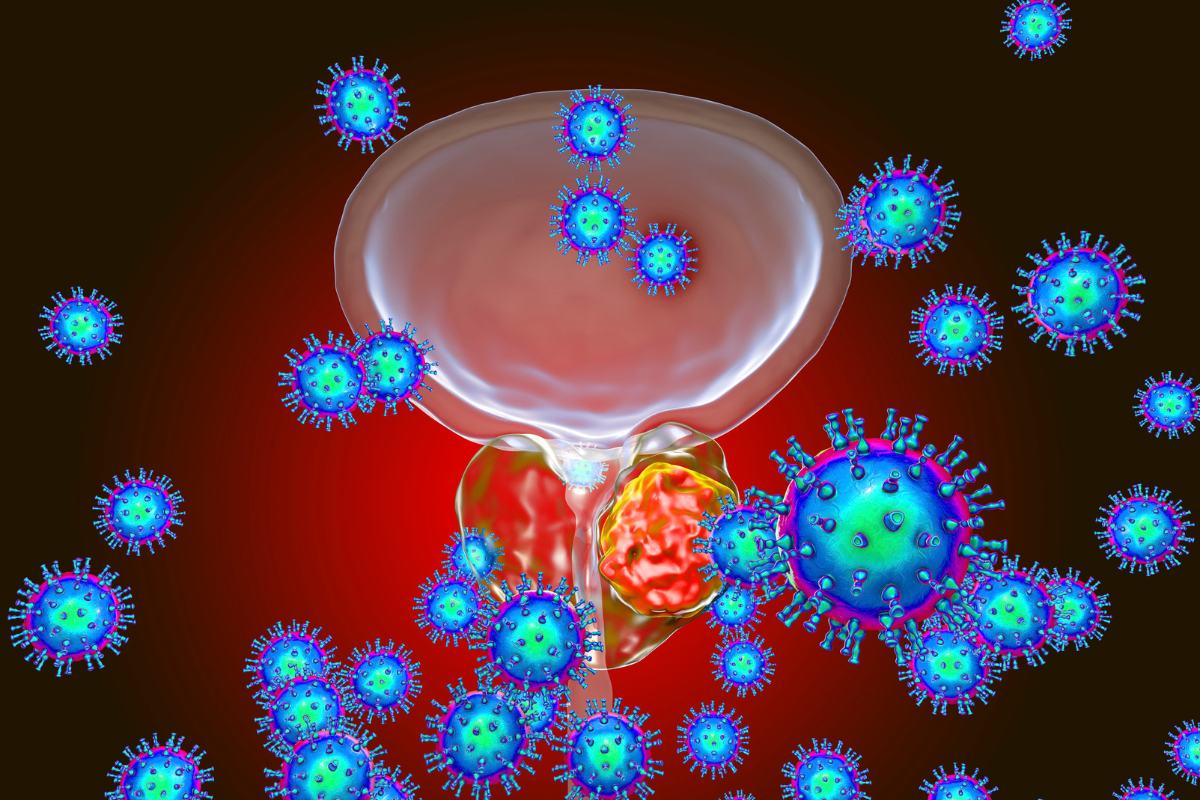
Welcome to From A to Zinc: The Comprehensive Guide to Prostate Vitamins and Their Impact on Your Health When it comes to maintaining optimal health, paying attention to the well-being of the prostate is crucial for men. The prostate gland, though small, plays a significant role in reproductive and urinary functions. Fortunately, there are steps men can take to support prostate health, and one essential aspect is ensuring adequate intake of vitamins.
In this comprehensive guide, we will delve into the world of prostate vitamins, exploring their importance, benefits, and impact on men’s health. From vitamin A to zinc, we will unravel the roles each vitamin plays in promoting a healthy prostate and preventing common issues that may arise.
Join us on this journey as we navigate through the vast array of vitamins, separating fact from fiction, and empowering you with the knowledge to make informed decisions about your prostate health. Whether you’re seeking preventive measures or looking to address existing concerns, this guide will equip you with the tools you need to supercharge your prostate health from A to Zinc.
Table of Contents
What Are Prostate Vitamins?
Prostate vitamins are essential nutrients that play a crucial role in supporting the health and function of the prostate gland. These vitamins include vitamin A, vitamin C, vitamin D, vitamin E, and zinc, among others. Each of these vitamins contributes to various aspects of prostate health, from reducing inflammation to supporting cell growth and function.
Understanding Vitamin A
Vitamin A is a fat-soluble vitamin that acts as a potent antioxidant. It helps maintain the integrity of the prostate gland’s epithelial cells and supports immune function. Sources of vitamin A include liver, carrots, sweet potatoes, and dark leafy greens.
Exploring Vitamin C
Vitamin C, also known as ascorbic acid, is a water-soluble vitamin with antioxidant properties. It helps combat oxidative stress and inflammation in the prostate gland. Citrus fruits, strawberries, bell peppers, and broccoli are excellent sources of vitamin C.
Unveiling Vitamin D
Vitamin D is crucial for maintaining prostate health as it regulates cell growth and differentiation. It also plays a role in immune function and may help reduce the risk of prostate cancer. Sunlight exposure, fatty fish, fortified foods, and supplements are sources of vitamin D.
Examining Vitamin E
Vitamin E is a group of fat-soluble compounds with antioxidant properties. It helps protect prostate cells from damage caused by free radicals and may reduce the risk of prostate cancer. Nuts, seeds, leafy greens, and vegetable oils are rich in vitamin E.
Zinc: The Prostate Ally
Zinc is an essential mineral that plays a vital role in prostate function and health. It is involved in DNA synthesis, immune function, and hormone metabolism. Oysters, beef, poultry, beans, and nuts are good dietary sources of zinc.
| Vitamin | Role in Prostate Health | Food Sources |
|---|---|---|
| Vitamin A | Supports epithelial cell integrity | Liver, carrots, sweet potatoes |
| Vitamin C | Combats oxidative stress and inflammation | Citrus fruits, bell peppers |
| Vitamin D | Regulates cell growth and immune function | Sunlight, fatty fish |
| Vitamin E | Protects prostate cells from oxidative damage | Nuts, seeds, leafy greens |
| Zinc | Essential for DNA synthesis and hormone metabolism | Oysters, beef, poultry |
This summary table provides a quick overview of the roles of various vitamins in prostate health and their food sources. It highlights the importance of vitamin A, vitamin C, vitamin D, vitamin E, and zinc in supporting prostate function and overall well-being.
Do Prostate Vitamins Prevent Prostate Cancer?
One of the most common concerns among men is the risk of developing prostate cancer. While research on the role of prostate vitamins in cancer prevention is ongoing, some evidence suggests that certain vitamins may help reduce the risk or slow the progression of prostate cancer.
Vitamin D and Prostate Cancer Risk
Several studies have linked higher vitamin D levels to a reduced risk of developing prostate cancer. Vitamin D may inhibit cancer cell growth, promote cell differentiation, and modulate immune responses. However, more research is needed to confirm these findings conclusively.
Antioxidants and Prostate Health
Antioxidant vitamins like vitamin C and vitamin E may help protect prostate cells from oxidative damage, which is associated with the development of prostate cancer. Including foods rich in antioxidants in your diet may contribute to overall prostate health.
Zinc and Prostate Cancer Progression
Zinc plays a crucial role in maintaining prostate health, and studies have shown that low levels of zinc are associated with an increased risk of prostate cancer. However, the relationship between zinc supplementation and prostate cancer risk is complex and requires further investigation.
Dietary Recommendations
While there is no definitive evidence that prostate vitamins alone can prevent prostate cancer, maintaining a balanced diet rich in vitamins and minerals is essential for overall health. Including a variety of fruits, vegetables, whole grains, lean proteins, and healthy fats in your diet can provide the nutrients your body needs to support prostate health.
Consultation with a Healthcare Provider
Before starting any vitamin supplementation regimen, it’s essential to consult with a healthcare provider, especially if you have existing health conditions or are taking medications. A healthcare professional can provide personalized recommendations based on your individual health needs and help you make informed decisions about prostate health.
What Are The Symptoms Of Prostate Problems?
Prostate problems can cause a variety of symptoms that can impact a man’s quality of life. Understanding these symptoms is essential for early detection and prompt treatment of prostate issues.
Urinary Symptoms
One of the most common signs of prostate problems is changes in urinary function. These symptoms may include:
- Frequent urination, especially at night (nocturia)
- Difficulty starting or maintaining a steady stream of urine
- Weak urine flow or dribbling
- Urinary urgency or the sensation of needing to urinate immediately
Sexual Symptoms
Prostate problems can also affect sexual function and libido. These symptoms may include:
- Erectile dysfunction (difficulty achieving or maintaining an erection)
- Painful ejaculation
- Decreased libido or sex drive
Other Symptoms
In addition to urinary and sexual symptoms, prostate problems may cause other issues, such as:
- Blood in the urine or semen
- Pain or discomfort in the pelvic area, lower back, or groin
- Difficulty sitting or discomfort while sitting
When to Seek Medical Attention
If you experience any of these symptoms, especially if they are persistent or interfere with your daily life, it’s essential to consult with a healthcare provider. While these symptoms may not necessarily indicate prostate cancer, they could be signs of other prostate conditions, such as benign prostatic hyperplasia (BPH) or prostatitis, that may require medical treatment.
Early Detection and Treatment
Early detection of prostate problems is crucial for effective treatment and management. Regular prostate screenings, including a digital rectal exam (DRE) and prostate-specific antigen (PSA) test, can help detect abnormalities in the prostate gland and identify potential issues before they progress. If you have any concerns about your prostate health, don’t hesitate to speak with your healthcare provider.

What Are The Risk Factors For Prostate Problems?
Several factors can increase the risk of developing prostate problems, including age, family history, and lifestyle factors. Understanding these risk factors is essential for taking proactive steps to maintain prostate health.
Age
Age is one of the most significant risk factors for prostate problems, particularly prostate cancer. The risk of developing prostate cancer increases with age, with the majority of cases diagnosed in men over the age of 65.
Family History
A family history of prostate problems, particularly prostate cancer, can significantly increase an individual’s risk. If a close relative, such as a father or brother, has been diagnosed with prostate cancer, the risk of developing the disease is higher.
Ethnicity
Certain ethnicities, including African American and Caribbean men of African descent, have a higher risk of developing prostate cancer compared to other ethnic groups. The reasons for these disparities are not entirely understood but may be related to genetic, environmental, and lifestyle factors.
Lifestyle Factors
Several lifestyle factors can influence prostate health and contribute to the development of prostate problems. These factors include:
- Poor diet high in saturated fats and low in fruits and vegetables
- Sedentary lifestyle and lack of regular exercise
- Obesity or being overweight
- Smoking and excessive alcohol consumption
Occupational Exposures
Exposure to certain environmental and occupational hazards may also increase the risk of prostate problems. These hazards may include exposure to pesticides, herbicides, heavy metals, and chemicals used in certain industries.
| Risk Factor | Description |
|---|---|
| Age | Risk increases with age, particularly over 65 |
| Family History | Higher risk with a family history of prostate issues |
| Ethnicity | African American and Caribbean descent have higher risk |
| Lifestyle Factors | Poor diet, sedentary lifestyle, obesity, smoking, excessive alcohol consumption |
| Occupational Exposures | Exposure to certain environmental and occupational hazards |
This summary table outlines the key risk factors associated with prostate problems, including age, family history, ethnicity, lifestyle factors, and occupational exposures. Understanding these factors can help individuals take proactive steps to maintain prostate health.
What Are The Benefits Of Prostate Vitamins?
Prostate vitamins offer a range of potential benefits for men’s health, supporting prostate function and overall well-being. Here are some key benefits:
- Prostate Health Support: Certain vitamins and minerals are essential for maintaining the health and function of the prostate gland. Adequate intake of these nutrients can help prevent prostate issues and promote optimal prostate function.
- Reduced Risk of Prostate Problems: Research suggests that specific vitamins, such as vitamin D and zinc, may help reduce the risk of developing prostate problems, including benign prostatic hyperplasia (BPH) and prostate cancer.
- Antioxidant Protection: Many prostate vitamins, such as vitamin C and vitamin E, act as antioxidants, protecting prostate cells from oxidative damage caused by free radicals. This antioxidant protection may help prevent cellular damage and inflammation in the prostate gland.
- Immune Support: Vitamins like vitamin C and vitamin D play crucial roles in supporting immune function. A healthy immune system is essential for protecting the body against infections and diseases, including those that may affect the prostate.
- Hormone Regulation: Certain vitamins, such as vitamin D, play a role in hormone regulation, including testosterone levels. Maintaining optimal hormone balance is important for prostate health and overall well-being.
- Overall Health Benefits: In addition to supporting prostate health, many vitamins and minerals have broader health benefits. For example, vitamin D is essential for bone health, while vitamin E may support cardiovascular health.
- Quality of Life Improvement: By supporting prostate health and overall well-being, prostate vitamins can contribute to improved quality of life for men, including better urinary function, sexual health, and overall vitality.
- Potential Disease Prevention: While more research is needed, some studies suggest that certain vitamins may help prevent or slow the progression of prostate diseases, including prostate cancer. Incorporating these vitamins into a balanced diet or supplementation regimen may offer protective benefits.
- Combination Effect: Taking a combination of prostate vitamins may provide synergistic benefits, as each nutrient plays a unique role in supporting prostate health. Combining vitamins and minerals in a comprehensive approach may enhance their overall effectiveness.
- Personalized Health Support: Prostate vitamins can be tailored to individual health needs and preferences, allowing men to optimize their nutritional intake based on factors such as age, lifestyle, family history, and existing health conditions.
In conclusion, prostate vitamins offer numerous potential benefits for men’s health, including supporting prostate function, reducing the risk of prostate problems, providing antioxidant protection, and promoting overall well-being. Incorporating these vitamins into a balanced diet or supplementation regimen may help men maintain optimal prostate health and vitality throughout their lives.
What Are The Recommended Daily Allowances For Prostate Vitamins?
Understanding the recommended daily allowances (RDAs) for prostate vitamins is essential for maintaining optimal prostate health and overall well-being. Here are the RDAs for key vitamins and minerals that support prostate function:
- Vitamin A:
- The RDA for vitamin A varies depending on age and gender. For adult men, the RDA is typically around 900 micrograms (mcg) per day.
- It’s important to note that excessive intake of vitamin A can be harmful, so it’s essential to stay within recommended limits.
- Vitamin C:
- The RDA for vitamin C is generally around 90 milligrams (mg) per day for adult men.
- However, higher doses of vitamin C may be beneficial for certain individuals, especially those with higher oxidative stress or inflammatory conditions.
- Vitamin D:
- The RDA for vitamin D varies depending on age and other factors. For adult men, the RDA is typically between 600 to 800 International Units (IU) per day.
- Some experts suggest higher doses of vitamin D for individuals with limited sun exposure or certain health conditions.
- Vitamin E:
- The RDA for vitamin E is around 15 mg per day for adult men.
- It’s important to choose vitamin E supplements that contain a mix of tocopherols and tocotrienols for optimal benefits.
- Zinc:
- The RDA for zinc is around 11 mg per day for adult men.
- However, higher doses of zinc may be recommended for individuals with specific health conditions or dietary deficiencies.
- Selenium:
- While not specifically mentioned, selenium is another important mineral for prostate health. The RDA for selenium is typically around 55 mcg per day for adult men.
- Selenium is often included in prostate health supplements due to its antioxidant properties and potential benefits for reducing the risk of prostate cancer.
It’s important to remember that individual nutrient needs may vary based on factors such as age, gender, health status, and dietary habits. Consulting with a healthcare provider or a registered dietitian can help determine the appropriate vitamin and mineral intake for optimal prostate health. Additionally, obtaining nutrients from a balanced diet rich in fruits, vegetables, whole grains, lean proteins, and healthy fats is generally recommended as the best way to meet nutritional needs.
Are There Any Side Effects Associated With Prostate Vitamin Supplements?
While prostate vitamin supplements can offer numerous health benefits, it’s essential to be aware of potential side effects that may occur, especially when taken in excessive amounts or in combination with other medications. Here are some common side effects associated with prostate vitamin supplements:
- Digestive Issues:
- Certain vitamins and minerals, such as vitamin C and zinc, may cause gastrointestinal upset, including nausea, diarrhea, or stomach cramps, especially when taken in high doses.
- Allergic Reactions:
- Some individuals may be allergic to certain ingredients found in prostate vitamin supplements, such as vitamin E derived from soy or specific additives and fillers. Allergic reactions may manifest as skin rashes, itching, swelling, or difficulty breathing.
- Interactions with Medications:
- Prostate vitamin supplements may interact with certain medications, including blood thinners, antibiotics, and medications for high blood pressure or diabetes. For example, vitamin E supplements may increase the risk of bleeding when taken with blood thinners like warfarin.
- Excessive Intake of Fat-Soluble Vitamins:
- Fat-soluble vitamins like vitamin A and vitamin E can accumulate in the body’s fat tissues, leading to toxicity if taken in excessive amounts over an extended period. Symptoms of vitamin A toxicity may include dizziness, headache, nausea, and blurred vision, while vitamin E toxicity can cause bleeding and bruising.
- Prostate-Specific Side Effects:
- Some studies suggest that high doses of certain vitamins and minerals, such as vitamin E and selenium, may increase the risk of prostate cancer or other prostate-related issues in men, especially if taken long-term.
- Kidney Stones:
- Excessive intake of certain minerals, such as calcium and vitamin C, may increase the risk of kidney stone formation, particularly in individuals with a history of kidney stones or underlying kidney conditions.
- Increased Risk of Prostate Cancer:
- While the evidence is mixed, some studies suggest that high doses of certain vitamins and minerals, particularly antioxidants like vitamin E and selenium, may increase the risk of prostate cancer or accelerate its progression in some individuals.
- Electrolyte Imbalance:
- Some prostate vitamin supplements may contain high doses of minerals like zinc, which, when taken in excess, can disrupt the body’s electrolyte balance and lead to symptoms such as fatigue, weakness, and muscle cramps.
It’s essential to consult with a healthcare provider before starting any new supplement regimen, especially if you have underlying health conditions or are taking medications. A healthcare professional can provide personalized recommendations and help minimize the risk of potential side effects associated with prostate vitamin supplements. Additionally, always follow the recommended dosage instructions provided by the supplement manufacturer and avoid exceeding the recommended intake levels unless advised by a healthcare provider.
Can Prostate Vitamins Improve Urinary Symptoms In Men with Prostate Problems?
Urinary symptoms are common in men with prostate problems, including conditions like benign prostatic hyperplasia (BPH) and prostatitis. While prostate vitamins may offer various health benefits, their effectiveness in improving urinary symptoms in men with prostate problems is a topic of interest and ongoing research. Here’s what we know:
- Limited Evidence:
- Currently, there is limited scientific evidence to support the use of prostate vitamins specifically for improving urinary symptoms in men with prostate problems. Most studies investigating the effects of prostate vitamins have focused on other aspects of prostate health, such as cancer prevention or overall prostate function.
- Role of Vitamin D:
- Vitamin D has been studied for its potential role in prostate health, including its effects on prostate cancer risk and progression. Some research suggests that vitamin D deficiency may be associated with an increased risk of BPH and lower urinary tract symptoms (LUTS). However, more studies are needed to determine whether vitamin D supplementation can improve urinary symptoms in men with prostate problems.
- Antioxidants and Inflammation:
- Certain vitamins and minerals with antioxidant properties, such as vitamin C and vitamin E, may help reduce inflammation in the prostate gland, which could theoretically alleviate urinary symptoms associated with prostate problems. However, the evidence supporting this hypothesis is limited, and more research is needed to confirm these effects.
- Individual Response:
- It’s important to recognize that individual responses to prostate vitamins may vary, and what works for one person may not necessarily work for another. Some men may experience improvements in urinary symptoms with supplementation, while others may not notice any significant changes.
- Comprehensive Approach:
- Improving urinary symptoms in men with prostate problems often requires a comprehensive approach that may include lifestyle modifications, medication, and other interventions in addition to supplementation with prostate vitamins. Consulting with a healthcare provider is essential for developing an individualized treatment plan tailored to specific needs and circumstances.
In conclusion, while prostate vitamins may offer various health benefits, including potential support for prostate health, their role in improving urinary symptoms in men with prostate problems remains uncertain. More research is needed to determine the effectiveness of prostate vitamins for this specific purpose. In the meantime, individuals experiencing urinary symptoms should consult with a healthcare provider for proper evaluation and management.
| Vitamin/Mineral | Potential Impact on Urinary Symptoms | Sources |
|---|---|---|
| Vitamin D | Associated with lower urinary tract symptoms (LUTS) | Sunlight, fatty fish, fortified foods |
| Vitamin C | May help reduce inflammation in the prostate gland | Citrus fruits, bell peppers, strawberries |
| Vitamin E | Antioxidant properties may alleviate prostate inflammation | Nuts, seeds, leafy greens, vegetable oils |
| Zinc | Essential for prostate function, but direct impact on urinary symptoms uncertain | Oysters, beef, poultry, beans |
This summary table outlines the potential impact of various vitamins and minerals on urinary symptoms in men with prostate problems. While some nutrients may help reduce inflammation and support prostate health, their direct effects on urinary symptoms require further research for confirmation.
Do Prostate Vitamins Interact With Medications Or Other Supplements?
Understanding potential interactions between prostate vitamins and medications or other supplements is essential for ensuring safety and effectiveness. Here’s what you need to know:
- Blood Thinners:
- Vitamin E supplements may increase the risk of bleeding when taken with blood-thinning medications like warfarin (Coumadin) or antiplatelet drugs such as aspirin or clopidogrel. It’s essential to monitor for signs of increased bleeding and consult with a healthcare provider before combining vitamin E supplements with blood thinners.
- Antibiotics:
- Certain minerals like zinc may interfere with the absorption of antibiotics such as tetracyclines and quinolones. It’s advisable to separate the doses of zinc supplements and antibiotics by several hours to minimize potential interactions.
- Blood Pressure Medications:
- Calcium supplements, which are sometimes included in prostate health formulations, may interact with calcium channel blockers used to treat high blood pressure. High doses of calcium supplements may lead to elevated calcium levels in the blood (hypercalcemia) and potentially interfere with the effectiveness of blood pressure medications.
- Diabetes Medications:
- High doses of vitamin C supplements may interfere with certain blood glucose-lowering medications, potentially leading to fluctuations in blood sugar levels. Monitoring blood sugar levels closely and consulting with a healthcare provider is advisable when combining vitamin C supplements with diabetes medications.
- Prostate Medications:
- Prostate medications such as alpha-blockers (e.g., tamsulosin) and 5-alpha reductase inhibitors (e.g., finasteride) are commonly prescribed for prostate problems like benign prostatic hyperplasia (BPH). While there are no known significant interactions between these medications and prostate vitamins, it’s essential to discuss any supplement use with a healthcare provider to ensure compatibility and safety.
- Other Supplements:
- Prostate vitamins may also interact with other supplements, such as multivitamins or herbal products. For example, excessive intake of certain minerals like zinc or selenium from multiple supplements may lead to toxicity. It’s important to review all supplement use with a healthcare provider to prevent potential interactions and adverse effects.
- Personalized Recommendations:
- Individual responses to supplement combinations can vary, and what works for one person may not be suitable for another. Consulting with a healthcare provider or pharmacist is crucial for obtaining personalized recommendations based on individual health status, medication regimen, and specific supplement needs.
In conclusion, while prostate vitamins can offer various health benefits, it’s essential to be aware of potential interactions with medications or other supplements. Consulting with a healthcare provider before starting any new supplement regimen is advisable to ensure safety.
What Role Do Antioxidants Play In Prostate Health?
Antioxidants play a crucial role in maintaining prostate health by combating oxidative stress, reducing inflammation, and protecting prostate cells from damage. Here’s how antioxidants contribute to prostate health:
- Neutralizing Free Radicals:
- Free radicals are unstable molecules that can cause cellular damage and contribute to oxidative stress, which is linked to various prostate problems, including inflammation and cancer. Antioxidants neutralize free radicals by donating electrons, thus preventing oxidative damage to prostate cells.
- Reducing Inflammation:
- Chronic inflammation in the prostate gland is associated with an increased risk of prostate problems, including benign prostatic hyperplasia (BPH) and prostate cancer. Antioxidants help reduce inflammation by inhibiting the production of pro-inflammatory molecules and modulating immune responses in the prostate tissue.
- Protecting Against DNA Damage:
- Oxidative stress can cause DNA damage in prostate cells, leading to mutations and abnormalities that may contribute to the development of prostate cancer. Antioxidants protect against DNA damage by scavenging free radicals and enhancing DNA repair mechanisms, thus reducing the risk of prostate cancer.
- Supporting Immune Function:
- A healthy immune system is essential for detecting and eliminating abnormal prostate cells, including cancerous cells. Antioxidants support immune function by enhancing the activity of immune cells and promoting a balanced immune response in the prostate gland.
- Modulating Hormone Levels:
- Hormonal imbalances, particularly elevated levels of dihydrotestosterone (DHT), can contribute to prostate enlargement and the development of prostate cancer. Some antioxidants, such as vitamin E, may help regulate hormone levels by inhibiting the conversion of testosterone to DHT, thus supporting prostate health.
- Enhancing Treatment Efficacy:
- Antioxidants may enhance the efficacy of conventional prostate cancer treatments, such as radiation therapy or chemotherapy, by reducing treatment-related side effects and enhancing the sensitivity of cancer cells to treatment-induced damage.
In summary, antioxidants play a critical role in promoting prostate health by neutralizing free radicals, reducing inflammation, protecting against DNA damage, supporting immune function, modulating hormone levels, and enhancing treatment efficacy. Including antioxidant-rich foods in the diet or supplementing with antioxidant vitamins and minerals may help maintain optimal prostate health and reduce the risk of prostate problems.
Summary
From A to Zinc: The Comprehensive Guide to Prostate Vitamins and Their Impact on Your Health” is a detailed exploration of essential vitamins and minerals crucial for maintaining prostate health. It delves into the roles of vitamins A, C, D, and E, along with zinc, in supporting prostate function and overall well-being.
The guide covers topics such as the benefits of prostate vitamins, recommended daily allowances, potential side effects, interactions with medications, and the role of antioxidants in prostate health. It emphasizes the importance of a balanced diet rich in these nutrients and provides insights into their impact on urinary symptoms and disease prevention.