
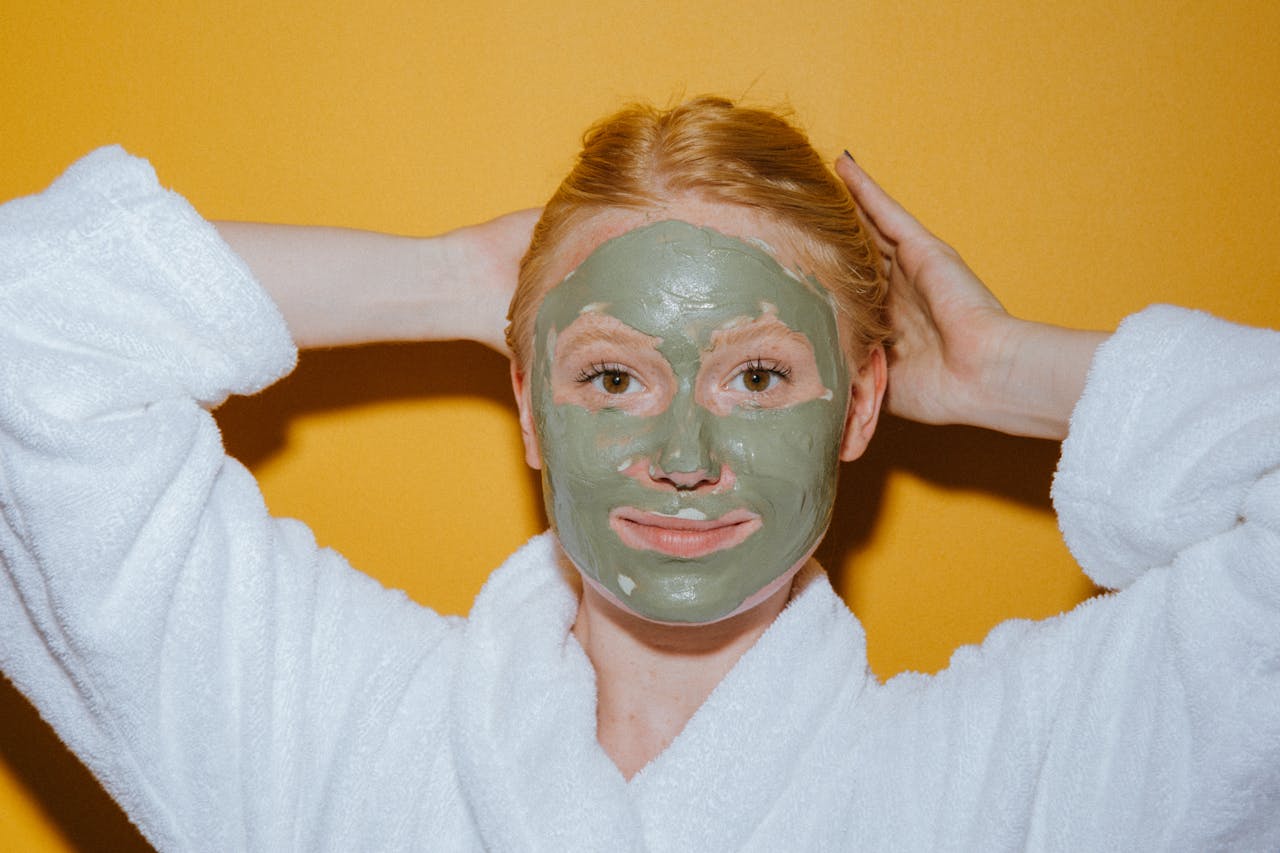
Facial masks have become an essential part of many skincare routines, promising a quick and effective solution for achieving glowing and healthy skin. The facial mask is a versatile skincare product, available in various formulations, each designed to target specific skin concerns such as hydration, anti-aging, acne, and more. But what is the science behind their effectiveness, and why do they work so well for improving skin health?
Table of Contents
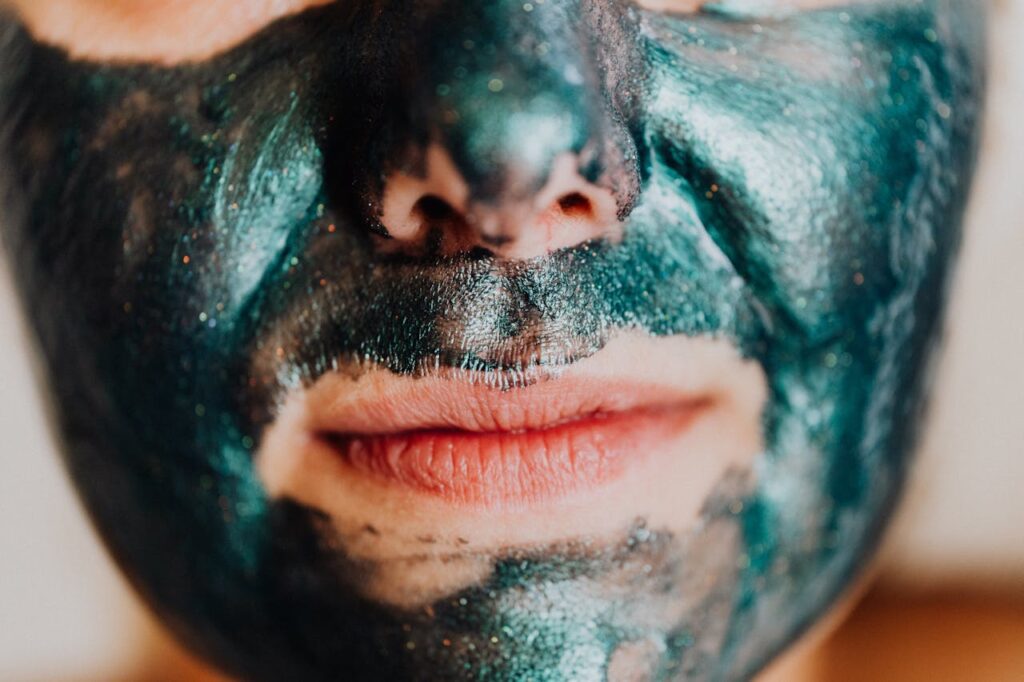
What Are Facial Masks Made Of?
Facial masks come in different forms—sheet masks, clay masks, peel-off masks, and gel masks—each providing unique benefits. The ingredients in these masks vary widely, but some common components include:
- Clay: Helps draw out impurities and excess oils from the skin.
- Hyaluronic acid: A powerful hydrator that plumps and moisturizes the skin.
- Aloe vera: Soothes and calms irritated skin.
- Antioxidants: Protect the skin from environmental damage and promote healthy skin renewal.
- Peptides and collagen: Promote skin elasticity and reduce the appearance of wrinkles.
By applying these ingredients in a concentrated form, facial masks deliver an intense dose of nutrients to your skin.
How Do Facial Masks Benefit Your Skin?
The facial mask offers numerous benefits for the skin, depending on the type of mask you use. Here’s a breakdown of some common benefits:
- Deep Cleansing: Clay and charcoal masks are ideal for absorbing excess oils and removing dirt from the skin.
- Hydration: Moisturizing masks often include hydrating ingredients like hyaluronic acid to restore moisture balance.
- Anti-Aging: Masks with peptides and collagen help promote elasticity, reducing fine lines and wrinkles.
- Acne Treatment: Facial masks with ingredients like salicylic acid or tea tree oil can target acne and prevent future breakouts.
- Even Skin Tone: Brightening masks containing vitamin C or licorice extract can help lighten dark spots and improve skin tone.
Facial masks can help provide targeted treatment based on your skin’s needs, resulting in smoother, healthier, and more radiant skin.
The Science Behind Hydration in Facial Masks
Hydration is one of the most common reasons people incorporate facial masks into their skincare routines. When applied to the skin, certain ingredients in masks can help lock in moisture, offering longer-lasting hydration. Ingredients like hyaluronic acid work by drawing moisture from the environment into the skin, keeping it plump and hydrated.
- Hyaluronic acid: It can hold up to 1000 times its weight in water, making it an incredibly effective moisturizer.
- Glycerin: A humectant that pulls water from the air to keep skin hydrated.
These ingredients work together to prevent moisture loss, leaving your skin feeling soft, smooth, and nourished.
How Often Should You Use Facial Masks?
When it comes to using a facial mask, moderation is key. Overusing facial masks—especially those that are exfoliating or deeply cleansing—can irritate the skin. For the best results, here are some general guidelines:
- Hydrating masks: Can be used 2-3 times a week for added moisture.
- Clay masks: Use once a week to avoid drying out your skin.
- Exfoliating masks: Apply every 1-2 weeks to avoid over-exfoliation.
Incorporating a facial mask into your routine can help address specific skin concerns without overwhelming your skin.
Can Facial Masks Be Used in Combination with Other Skincare Products?
Yes, facial masks can be used alongside other skincare products, but it’s important to consider the order of application. Here’s the best way to incorporate them into your routine:
- Cleanse your skin to remove dirt and oil.
- Apply facial mask according to the specific needs of your skin.
- Tone if necessary, to restore the skin’s pH balance.
- Moisturize to lock in the benefits of the mask.
Using a facial mask at the right time within your routine enhances its effectiveness and ensures you get the most out of your skincare regimen.
Benefits of Different Types of Facial Masks
Not all facial masks are created equal. Here’s a quick breakdown of popular types of masks and their benefits:
| Mask Type | Key Benefit | Ideal For |
|---|---|---|
| Sheet Masks | Instant hydration and soothing | Dry, sensitive, or dehydrated skin |
| Clay Masks | Deep cleansing and oil control | Oily, acne-prone skin |
| Gel Masks | Cooling and calming | Sensitive or inflamed skin |
| Peel-Off Masks | Exfoliation and skin clarity | Dull skin with dead skin cells |
Choosing the right type of facial mask depends on your skin’s individual needs.
The Role of Antioxidants in Facial Masks
Antioxidants are essential for maintaining youthful, healthy skin. These compounds fight off free radicals—unstable molecules that cause oxidative stress, which accelerates aging. Many facial masks contain antioxidants like:
- Vitamin C: Brightens skin and helps even out skin tone.
- Green tea extract: Reduces inflammation and protects against environmental stressors.
- Vitamin E: Moisturizes and protects the skin while promoting healing.
These antioxidants provide a protective barrier against damage, keeping your skin youthful and vibrant.

Choosing the Right Facial Mask for Your Skin Type
Selecting the right facial mask depends on your unique skin type and concerns. Here’s a quick guide to choosing the best mask for your needs:
- Dry skin: Opt for hydrating masks with ingredients like hyaluronic acid and glycerin.
- Oily skin: Choose masks with clay or charcoal to help control oil and prevent clogged pores.
- Sensitive skin: Look for calming masks with aloe vera or cucumber extracts to soothe irritation.
- Acne-prone skin: Use masks with salicylic acid or tea tree oil to fight breakouts.
By selecting the right facial mask for your skin type, you can address specific concerns and improve your overall skin health.
Why Regular Facial Mask Use Is Important
Incorporating facial masks into your skincare routine provides cumulative benefits. Regular use helps:
- Detoxify the skin by removing impurities.
- Boost skin health by providing essential nutrients.
- Prevent aging by stimulating collagen production and reducing fine lines.
With consistent use, facial masks can help keep your skin in top shape, offering long-lasting results.
For more skin-care tips and products, check out our skin care collection and learn how you can improve your skin’s appearance with the right routine.