
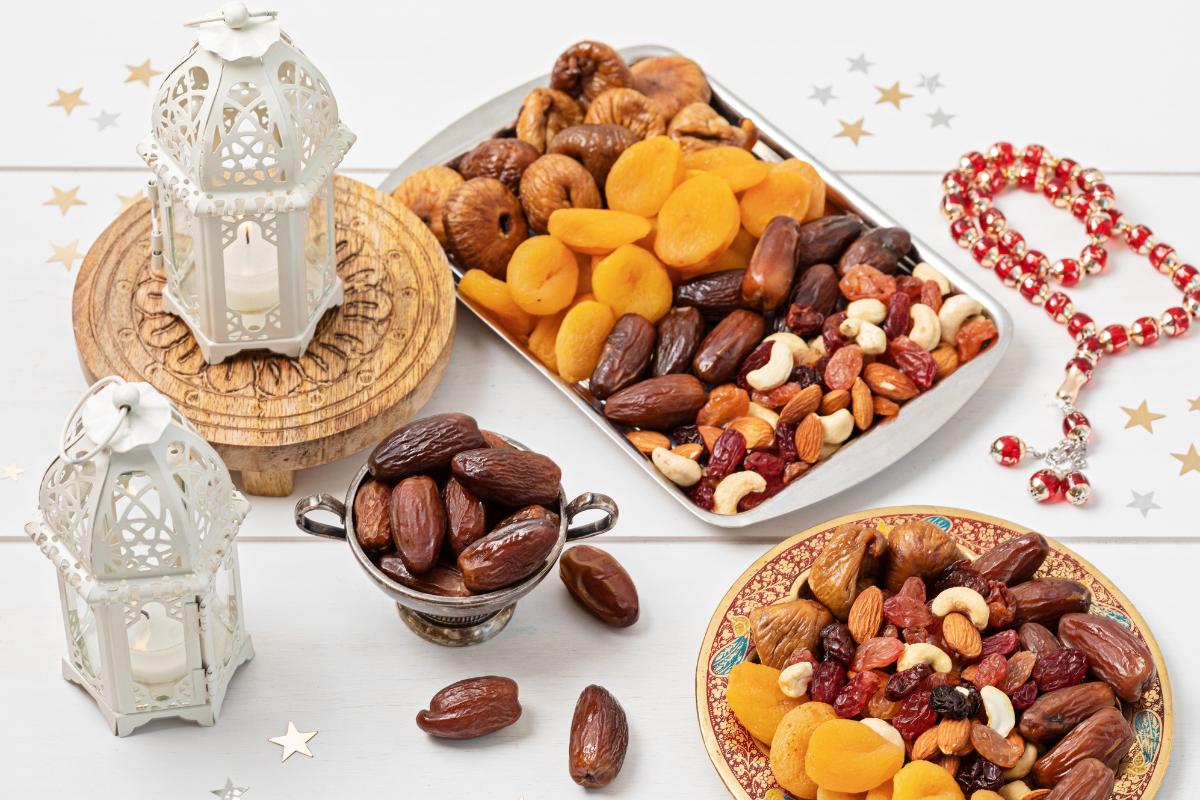
Ramadan is a time of spiritual reflection, fasting, and community. However, for fitness enthusiasts, maintaining strength and energy levels while observing the fast can be a unique challenge. Balancing the demands of rigorous workouts with the constraints of fasting requires thoughtful planning and smart nutritional choices.
The key is to select Ramadan foods that not only provide sustained energy but also aid in muscle recovery and overall health. In this article, we’ll explore a variety of nutrient-dense foods and practical tips to help you stay strong and fit throughout the holy month, ensuring that your fitness goals remain on track even while you fast.
Table of Contents
What Are the Best Foods to Eat for Energy During Ramadan?
Introduction
Ramadan foods play a crucial role in maintaining energy levels during the fasting period. Choosing the right foods can help sustain energy throughout the day, ensuring that you stay active and focused.
High-Energy Foods
- Complex Carbohydrates: Whole grains like oats, brown rice, and quinoa provide slow-releasing energy.
- Lean Proteins: Eggs, Greek yogurt, and lean meats help keep you full longer.
- Healthy Fats: Avocados, nuts, and seeds offer sustained energy and essential nutrients.
Hydrating Foods
- Water-Rich Fruits: Watermelon, cucumbers, and oranges help maintain hydration.
- Vegetables: Leafy greens and bell peppers are excellent choices for hydration and nutrients.
Balanced After Meals
- Dates: Traditional and excellent for quick energy replenishment.
- Soups: Lentil or vegetable soups are hydrating and nutritious.
- Grilled Proteins: Chicken, fish, or tofu provide necessary amino acids for recovery.
Energy-Boosting Snacks
- Nuts and Seeds: Almonds, chia seeds, and flaxseeds are great for quick energy.
- Fruit Smoothies: Blended with Greek yogurt or protein powder for an extra boost.
Sample Meal Plan
| Meal | Foods |
|---|---|
| Sudor | Oatmeal with berries, boiled eggs |
| After | Dates, lentil soup, grilled chicken |
| Snacks | Almonds, fruit smoothie |
Timing of Meals
Eating balanced meals at sudor and after, along with healthy snacks, ensures sustained energy throughout the day.
Hydration Tips
- Drink plenty of water: Aim for at least 8 cups between iftar and suhoor.
- Avoid caffeine: It can dehydrate you faster.
Avoid Sugary Foods
They cause a rapid spike and crash in energy levels.
External Resource
For more on maintaining energy during fasting, visit Wikipedia’s page on fasting.
How Can I Maintain Muscle Mass While Fasting During Ramadan?
Introduction
Maintaining muscle mass while fasting during Ramadan is a common concern for fitness enthusiasts. Strategic nutrition and exercise planning can help preserve muscle mass.
Protein-Rich Foods
- Lean Meats: Chicken, turkey, and lean beef are excellent sources.
- Plant-Based Proteins: Lentils, chickpeas, and tofu are great alternatives.
- Dairy Products: Greek yogurt and cottage cheese offer high protein content.
Optimal Suhoor Choices
- Eggs: Versatile and protein-rich.
- Quinoa: High in protein and fiber.
- Protein Shakes: A quick option for an early meal.
Iftar Protein Boost
- Fish: Salmon and tuna for healthy fats and protein.
- Legumes: Beans and lentils for plant-based protein.
- Nuts and Seeds: Excellent for adding protein and healthy fats.
Workout Timing
- Pre-Iftar Workouts: Short, intense sessions can be beneficial.
- Post-Iftar Workouts: Allow for more energy and hydration.
Supplementation
- BCAAs: Help in muscle recovery and retention.
- Creatine: Supports muscle strength and endurance.
Balanced Diet
- Carbohydrates: Necessary for glycogen stores.
- Fats: Essential for hormone production and energy.
Sample Meal Plan
| Meal | Foods |
|---|---|
| Suhoor | Scrambled eggs, quinoa, spinach |
| Iftar | Grilled fish, lentil soup, vegetables |
| Snacks | Greek yogurt, nuts |
Hydration
- Electrolyte Drinks: Help replenish lost salts.
- Water: Stay hydrated between meals.
Avoid Muscle Catabolism
- Regular Meals: Ensure adequate protein intake.
- Proper Rest: Sleep is crucial for muscle recovery.
How Should I Time My Workouts Around Fasting During Ramadan?
Timing your workouts during Ramadan while fasting can be challenging but entirely possible with some adjustments. Here’s a suggested approach:
- Pre-dawn Meal (Suhoor): Before the fast begins, have a pre-dawn meal that includes complex carbohydrates, protein, and healthy fats. This meal should provide sustained energy throughout the day. You can also hydrate well during this time.
- Workout Timing: Depending on your energy levels and schedule, there are a few options for when to work out:
- Before Suhoor: Some people prefer to wake up before the pre-dawn meal to do their workouts. This allows you to have a meal immediately after your workout, providing essential nutrients and hydration before the fast begins.
- After Iftar: If waking up early is not feasible for you, consider working out after breaking your fast (Iftar). This allows you to replenish your energy stores with a meal and hydrate before exercising.
- Midday: Another option is to exercise during the day, closer to midday when energy levels might be higher. However, be mindful of the heat and dehydration, especially if you’re doing intense workouts.
- Types of Workouts: During Ramadan, focus on maintaining your fitness level rather than intense training. Opt for moderate-intensity workouts such as brisk walking, light jogging, yoga, or strength training with lighter weights and higher repetitions. Listen to your body and avoid overexertion, especially while fasting.
- Hydration: Hydration is crucial, especially when fasting. Be sure to drink plenty of water during non-fasting hours to prevent dehydration. Coconut water, electrolyte drinks, and consuming hydrating fruits and vegetables can also help replenish electrolytes lost through sweat.
- Post-Workout Meal (Iftar): After your workout, have a balanced meal for Iftar that includes carbohydrates, protein, healthy fats, and plenty of fluids to replenish energy stores, repair muscles, and hydrate your body.
- Listen to Your Body: Pay attention to how your body responds to fasting and exercise. If you feel weak, dizzy, or excessively fatigued, it’s essential to listen to your body’s signals and adjust your workout intensity or timing accordingly.
By planning your workouts strategically, staying hydrated, and choosing appropriate exercises, you can maintain your fitness routine during Ramadan while fasting. However, always prioritize your health and well-being, and consult with a healthcare professional if you have any concerns or medical conditions.
What Foods Help With Hydration During Ramadan fasting?
During Ramadan fasting, it’s essential to consume foods that not only provide hydration but also replenish electrolytes lost through sweat and support overall well-being. Here are some hydrating foods that can be beneficial during Ramadan:
- Water-rich Fruits: Fruits with high water content are excellent for hydration. Examples include watermelon, strawberries, oranges, grapefruit, cantaloupe, and cucumber. These fruits not only provide hydration but also essential vitamins and minerals.
- Vegetables: Vegetables such as cucumber, lettuce, celery, zucchini, and tomatoes have high water content and can contribute to your daily hydration needs. Including a variety of vegetables in your meals can help maintain hydration levels.
- Coconut Water: Coconut water is naturally rich in electrolytes like potassium, sodium, and magnesium, making it an excellent choice for hydration during Ramadan. It’s also low in calories and contains natural sugars, providing a quick energy boost.
- Yogurt: Yogurt is not only hydrating but also a good source of protein and probiotics. Opt for plain or Greek yogurt and avoid varieties with added sugars. You can consume yogurt as a snack or incorporate it into smoothies or salads.
- Soups and Broths: Consuming soups and broths made from vegetables or lean proteins can help meet your hydration needs while providing essential nutrients. Opt for clear or broth-based soups rather than creamy ones, which can be higher in fat and calories.
- Herbal Teas: Herbal teas, such as chamomile, mint, or ginger tea, can be hydrating and soothing during fasting hours. Avoid caffeinated beverages like black tea and coffee, as they can have diuretic effects and increase fluid loss.
- Dates: Dates are traditionally consumed to break the fast during Ramadan due to their natural sweetness and energy-boosting properties. While dates are not particularly hydrating on their own, they provide a quick source of carbohydrates and can be paired with water-rich fruits or coconut water to enhance hydration.
Remember to consume these hydrating foods and beverages during non-fasting hours, such as during Suhoor (pre-dawn meal) and Iftar (evening meal), to help maintain hydration levels throughout the day. Additionally, be sure to drink plenty of water between Iftar and Suhoor to stay adequately hydrated during Ramadan.
Can I Drink Protein Shakes During Ramadan?
Drinking protein shakes during Ramadan is a personal choice and largely depends on individual preferences, dietary goals, and overall health considerations. Here are some factors to consider:
- Nutritional Needs: Protein shakes can be a convenient way to supplement your protein intake, especially if you have increased protein requirements due to regular exercise or fitness goals. During Ramadan, when the eating window is limited, protein shakes can help you meet your nutritional needs more efficiently.
- Convenience: Protein shakes are quick and easy to prepare, making them convenient options for Suhoor (pre-dawn meal) or Iftar (evening meal). They can provide a source of protein without requiring extensive meal preparation, which may be beneficial during the fasting period.
- Hydration: Some protein shakes are mixed with water or milk, which can contribute to your hydration needs during Ramadan. However, it’s essential to ensure that you’re also consuming an adequate amount of water and other hydrating fluids throughout the day to prevent dehydration.
- Digestive Comfort: Some people may find that consuming protein shakes during fasting hours can cause digestive discomfort, particularly if they’re consumed on an empty stomach. Pay attention to how your body responds and adjust your intake accordingly.
- Ingredients: When choosing a protein shake, opt for products with high-quality protein sources and minimal added sugars or artificial ingredients. Read the labels carefully to ensure that the protein shake aligns with your nutritional goals and dietary preferences.
- Timing: Consider when you plan to consume protein shakes during Ramadan. Some people may prefer to have them as part of their Suhoor or Iftar meals, while others may choose to consume them as snacks between meals.
- Consultation: If you have specific health concerns or dietary restrictions, it’s always a good idea to consult with a healthcare professional or a registered dietitian before incorporating protein shakes into your Ramadan fasting routine.
Overall, protein shakes can be a convenient and effective way to supplement your protein intake during Ramadan, but it’s essential to consider your individual needs and preferences while ensuring that they fit into your overall dietary and fasting plan.
What Are Some Traditional Ramadan Foods That Are Also Healthy?
Ramadan is a time when traditional foods hold significant cultural and religious importance. Many of these traditional foods can also be healthy choices when prepared with nutritious ingredients and consumed in moderation. Here are some examples:
- Dates: Dates are a staple food for breaking the fast during Ramadan due to their natural sweetness and energy-boosting properties. They are rich in fiber, potassium, magnesium, and antioxidants, making them a healthy choice for providing quick energy and essential nutrients.
- Soups and Stews: Soups and stews are commonly consumed during Ramadan, especially at Iftar (breaking the fast) time. Opt for homemade soups made with vegetables, legumes, and lean proteins like chicken or fish. These soups are nutritious, hydrating, and can provide essential vitamins, minerals, and protein.
- Grains: Whole grains like brown rice, quinoa, barley, and whole wheat are often included in traditional Ramadan dishes like pilafs, couscous, and bread. These grains are rich in fiber, vitamins, and minerals and can help provide sustained energy throughout the fasting period.
- Legumes: Legumes such as lentils, chickpeas, and beans are versatile ingredients used in many traditional Ramadan dishes like soups, salads, and stews. They are rich in protein, fiber, and complex carbohydrates, making them filling and nutritious options for suhoor (pre-dawn meal) or iftar.
- Fruits and Vegetables: Fresh fruits and vegetables are essential components of a healthy Ramadan diet. Incorporate a variety of colorful fruits and vegetables into your meals and snacks to ensure you’re getting a wide range of vitamins, minerals, and antioxidants.
- Lean Proteins: Include lean protein sources like chicken, turkey, fish, tofu, and eggs in your Ramadan meals to support muscle health and keep you feeling full and satisfied. Opt for grilled, baked, or roasted preparations rather than fried or heavily processed options.
- Hydrating Beverages: Stay hydrated during Ramadan by consuming plenty of water and other hydrating beverages like herbal teas, infused water, and coconut water. Limit sugary drinks and opt for natural, low-calorie options to quench your thirst without adding extra calories.
- Healthy Desserts: Enjoy sweets and desserts in moderation during Ramadan by choosing healthier alternatives like fruit salads, yogurt parfaits, or homemade treats made with natural sweeteners like honey or dates. Avoid overly processed or high-sugar desserts that can contribute to energy crashes and weight gain.
By incorporating these traditional Ramadan foods into your meals and focusing on whole, nutrient-dense ingredients, you can enjoy a healthy and balanced diet during the fasting period.

How Can I Avoid Overeating During Iftar?
Avoiding overeating during Iftar (the evening meal to break the fast during Ramadan) is essential for maintaining good health and preventing discomfort. Here are some strategies to help you avoid overeating:
- Start with Water and Dates: Begin your Iftar with a few sips of water and one or two dates. Dates provide natural sugars to help raise blood sugar levels after fasting and prepare your stomach for food without overwhelming it.
- Eat Mindfully: Be mindful of your eating habits and focus on the sensations of hunger and fullness. Chew your food slowly, savoring each bite, and pay attention to feelings of satisfaction. Avoid distractions such as television or smartphones while eating, as they can lead to mindless overeating.
- Include Balanced Meals: Plan balanced meals that include a variety of food groups, including carbohydrates, proteins, healthy fats, fruits, and vegetables. Aim for a well-rounded plate that provides essential nutrients and keeps you feeling satisfied.
- Control Portion Sizes: Be mindful of portion sizes and avoid loading your plate with large quantities of food. Start with smaller portions and listen to your body’s hunger and fullness cues. You can always go back for more if you’re still hungry after finishing your first serving.
- Avoid Fried and Heavy Foods: Limit the consumption of fried, greasy, and heavy foods, as they can be harder to digest and lead to feelings of discomfort and bloating. Opt for lighter, more nutritious options like grilled or baked proteins, salads, and steamed vegetables.
- Hydrate Throughout the Evening: Drink plenty of water between Iftar and Suhoor (pre-dawn meal) to stay hydrated and prevent overeating. Sip water slowly throughout the evening rather than consuming large quantities all at once.
- Include Fiber-Rich Foods: Fiber-rich foods like fruits, vegetables, whole grains, and legumes can help promote feelings of fullness and prevent overeating. Include these foods in your meals to add bulk and nutrients without excess calories.
- Pause Between Courses: Take breaks between courses during Iftar to give your body time to register feelings of fullness. Engage in light conversation or perform a brief activity to distract yourself from continuous eating.
- Listen to Your Body: Pay attention to your body’s signals of hunger and fullness and stop eating when you feel satisfied. Respect your body’s natural cues and avoid the urge to eat beyond the point of fullness.
By implementing these strategies and practicing mindful eating habits, you can enjoy a balanced and satisfying Iftar without overeating during Ramadan.
| Strategies | Description |
|---|---|
| Start with water and dates | Begin your meal with a few sips of water and one or two dates to prepare your stomach. |
| Eat mindfully | Chew your food slowly, savoring each bite, and pay attention to feelings of satisfaction. |
| Include balanced meals | Plan meals with a variety of food groups to provide essential nutrients and satisfaction. |
| Control portion sizes | Be mindful of portion sizes and avoid loading your plate with large quantities of food. |
| Avoid fried and heavy foods | Limit heavy, greasy foods that can cause discomfort and bloating. |
| Hydrate throughout the evening | Drink water between Iftar and Suhoor to stay hydrated and prevent overeating. |
| Listen to your body | Pay attention to hunger and fullness cues and stop eating when satisfied. |
These strategies can help you enjoy a balanced and satisfying Iftar without overeating during Ramadan.
What Snacks Are Good For Maintaining Energy Levels During Ramadan?
Choosing snacks that provide sustained energy during Ramadan can help you stay fueled and focused throughout the fasting period. Here are some nutritious snack options to maintain energy levels:
- Nuts and Seeds: Almonds, walnuts, pistachios, and pumpkin seeds are excellent sources of protein, healthy fats, and fiber. They provide sustained energy and can help keep you feeling full between meals.
- Greek Yogurt: Greek yogurt is rich in protein and probiotics, which can support digestion and keep your energy levels stable. Pair it with fruit or nuts for added flavor and nutrients.
- Hummus with Vegetables: Hummus is made from chickpeas, which are a good source of protein and fiber. Enjoy hummus with raw vegetables like carrots, cucumber, bell peppers, or cherry tomatoes for a nutritious and satisfying snack.
- Hard-Boiled Eggs: Hard-boiled eggs are a convenient and portable snack option that provides protein, vitamins, and minerals. Enjoy them on their own or sliced on whole-grain crackers for added fiber.
- Fresh Fruit: Fresh fruits like apples, bananas, berries, and oranges are natural sources of carbohydrates, vitamins, and antioxidants. They provide a quick energy boost and can help satisfy your sweet cravings.
- Whole-Grain Crackers with Cheese: Whole-grain crackers paired with cheese provide a combination of carbohydrates, protein, and fats, which can help keep you feeling full and energized. Opt for whole-grain or multigrain crackers for added fiber.
- Vegetable Sticks with Dip: Cut-up vegetable sticks such as carrots, celery, cucumber, and bell peppers paired with a nutritious dip like tzatziki, guacamole, or salsa make for a refreshing and energizing snack.
- Oatmeal: Oatmeal is a wholesome and filling snack option that provides complex carbohydrates and fiber to sustain energy levels. Prepare oatmeal with water or milk and top it with fruits, nuts, or seeds for added flavor and nutrition.
- Dried Fruit: Dried fruits like apricots, figs, dates, and raisins are concentrated sources of carbohydrates, vitamins, and minerals. Enjoy them in moderation as a natural and energizing snack during Ramadan.
- Smoothies: Blend together fruits, vegetables, Greek yogurt, and a liquid base like water or milk to create a nutritious and refreshing smoothie. Smoothies are customizable and can be tailored to your taste preferences and nutritional needs.
Remember to hydrate well with water and other fluids between meals to prevent dehydration and maintain energy levels during Ramadan. Additionally, listen to your body’s hunger and fullness cues and choose snacks that provide a balance of macronutrients to support your energy needs throughout the fasting period.
What Foods Should I Avoid During Ramadan Fasting?
During Ramadan fasting, it’s important to be mindful of the types of foods you consume to ensure you maintain good health and energy levels throughout the day. Here are some foods to avoid during Ramadan fasting:
- Sugary Foods and Beverages: Foods high in added sugars, such as candies, pastries, cakes, and sweetened beverages, should be limited or avoided during fasting hours. These foods can cause rapid spikes and drops in blood sugar levels, leading to energy crashes and cravings.
- Fried and Greasy Foods: Fried foods like samosas, pakoras, and fried chicken are often consumed during Ramadan but can be heavy and difficult to digest, leading to discomfort and lethargy. Opt for healthier cooking methods like grilling, baking, or steaming instead.
- Highly Processed Foods: Processed foods like chips, crackers, instant noodles, and processed meats are often high in unhealthy fats, sodium, and additives. These foods provide little nutritional value and can contribute to weight gain and other health issues.
- Caffeinated Beverages: While caffeine-containing beverages like coffee, black tea, and energy drinks can provide a temporary energy boost, they can also increase dehydration and disrupt sleep patterns. Limit your intake of caffeinated beverages during fasting hours and opt for hydrating alternatives like water, herbal teas, or coconut water instead.
- Salty Foods: Foods high in salt or sodium content, such as pickles, salted nuts, processed meats, and canned soups, should be consumed in moderation during Ramadan. Excessive salt intake can lead to bloating, thirst, and dehydration, especially when combined with limited fluid intake during fasting.
- Spicy Foods: Spicy foods may exacerbate thirst and digestive discomfort during fasting hours, especially if consumed in large quantities. If you enjoy spicy foods, consider consuming them in moderation and balancing them with hydrating foods and beverages.
- High-Fat Foods: While healthy fats are an essential part of a balanced diet, foods high in unhealthy fats like saturated and trans fats should be limited during Ramadan fasting. These include fried foods, fatty cuts of meat, full-fat dairy products, and high-fat desserts.
- Excessive Portions: Avoid overeating or consuming large portions of food during Iftar and Suhoor. Instead, focus on balanced meals that provide essential nutrients without overwhelming your digestive system. Listen to your body’s hunger and fullness cues and eat mindfully to prevent overindulgence.
By avoiding these foods and making healthier choices during Ramadan fasting, you can support your overall well-being and maintain energy levels throughout the day. Opt for nutrient-dense foods that provide sustained energy, hydration, and essential nutrients to help you stay healthy and nourished during this spiritual period.
Summary
Throughout Ramadan, listen to your body’s signals and adjust your workouts and meal timings accordingly. Consider scheduling workouts before Suhoor or after Iftar when energy levels are higher, and be mindful of your intensity and hydration needs.
By following these tips and making informed dietary choices, you can stay strong, healthy, and committed to your fitness routine during Ramadan. Remember that Ramadan is a time for spiritual reflection and self-discipline, so honor your body’s needs while also respecting the traditions and significance of this sacred month.